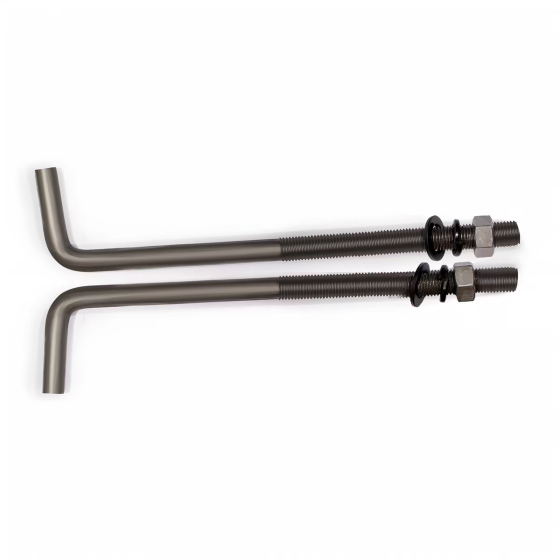


Grade 8.8 vs Grade 10.9 High Strength Bolts: Strength Differences & Application Selection Guide
Introduction
High-strength bolts are critical connection components that guarantee structural safety in steel structure, curtain wall, equipment base and precast component projects. While working with overseas infrastructure buyers, we notice many procurement specialists and field engineers struggle with one common question: how to choose between Grade 8.8 and Grade 10.9 high-strength bolts.
Some buyers simply place orders based on past project experience. Over-specifying bolt grade brings unnecessary procurement expense, while under-specification creates long-term structural risks. A widespread misunderstanding is that the higher the marking number on bolt head, the stronger the bolt, so Grade 10.9 is selected for every connection.
But engineering fastener selection cannot rely solely on tensile strength. Load type, service environment, raw material, surface finishing, installation method and project budget all need thorough evaluation. As a sales manager, I serve many steel structure and curtain wall clients from Africa, the Middle East and Southeast Asia at ShinRich, Shandong ShinRich International Trading Co., Ltd. We receive technical enquiries about bolt grade selection, hydrogen embrittlement and matched nut & washer assembly almost every month. Referencing international ISO fastener standards, this article compares raw material and mechanical performance between Grade 8.8 and Grade 10.9 bolts, sorts out suitable working scenarios, lists common procurement pitfalls, and delivers practical guidance for global engineering purchasers.
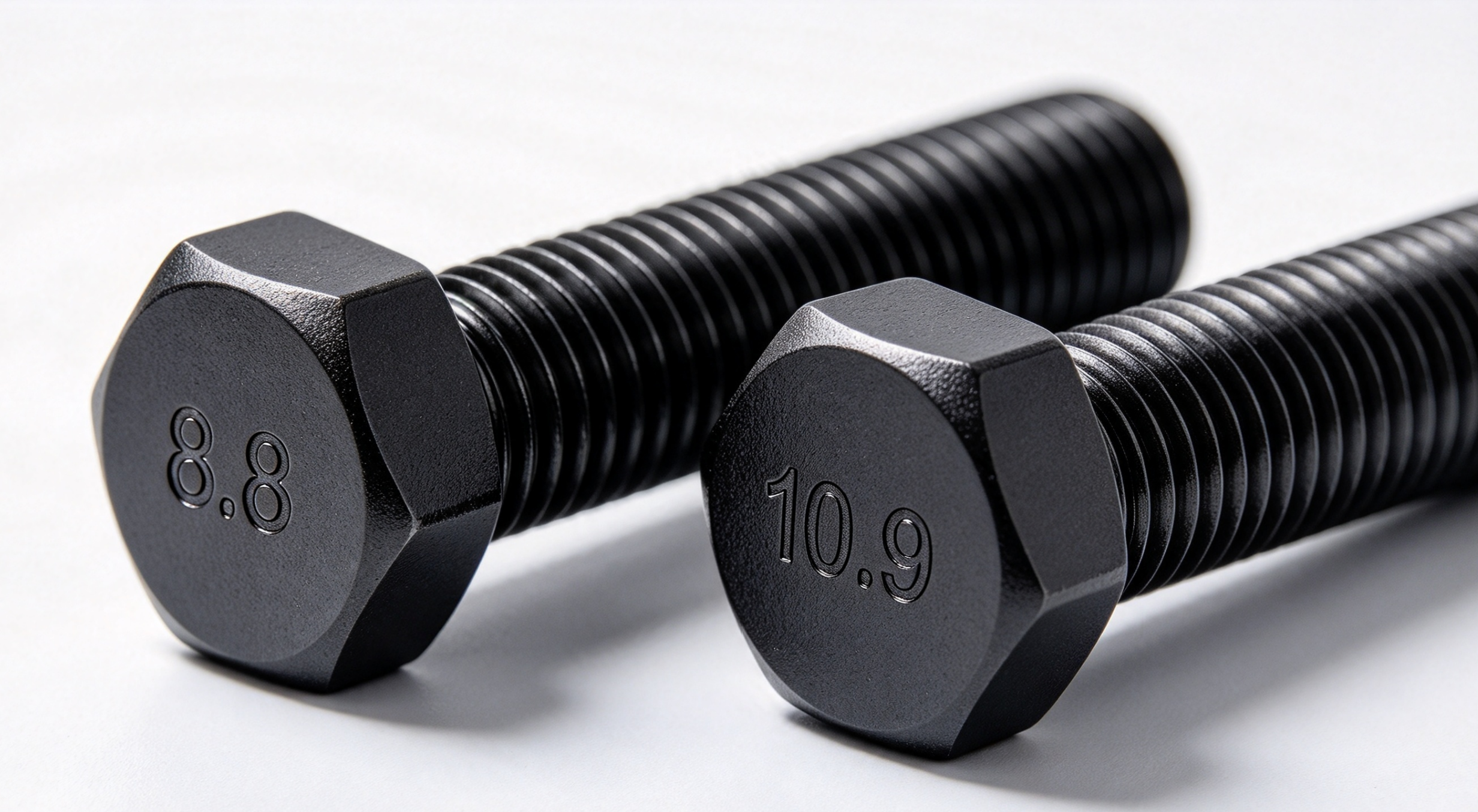
1. What do Grade 8.8 and Grade10.9 markings mean?
For metric high-strength bolts following international ISO standards, the performance grade consists of two sets of numbers, for example, 8.8 or 10.9. Many overseas buyers do not fully understand what these digits stand for.
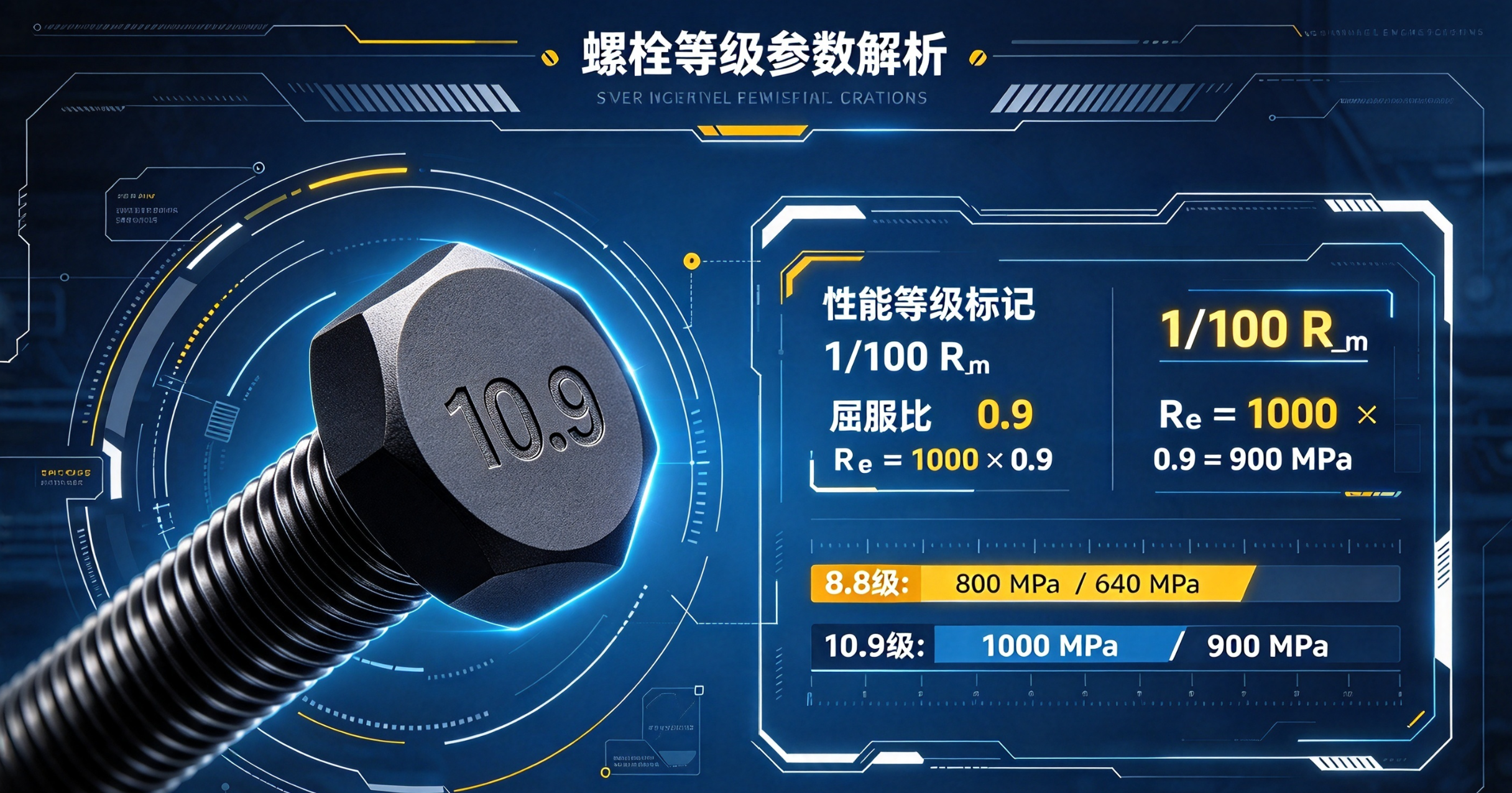
The first number represents 1/100 of the bolt’s minimum tensile strength (MPa). The second number is yield ratio, calculated by dividing yield strength by tensile strength.
Examples:
1. Grade 8.8: The first digit “8” means minimum tensile strength of 800 MPa. The second digit “0.8” is the yield ratio of 0.8. Minimum yield strength = 800 × 0.8 = 640 MPa.
2. Grade 10.9: The first digit “10” refers to minimum tensile strength of 1000 MPa. The second digit “0.9” means yield ratio of 0.9. Minimum yield strength = 1000 × 0.9 = 900 MPa.
Source: ISO 898-1 Mechanical properties of fasteners – Part1: Bolts, screws and studs Note: This grading system applies only to metric carbon steel and alloy steel fasteners. Stainless steel bolts follow a separate classification system; Grade 8.8 / 10.9 rating cannot be used for stainless bolt selection.
2. Raw Material & Mechanical Property Comparison
Grade 8.8 High Strength Bolts
Grade 8.8 bolts are commonly made from medium carbon steel such as 45# steel, manufactured by quenching and high-temperature tempering heat treatment to meet required mechanical values.
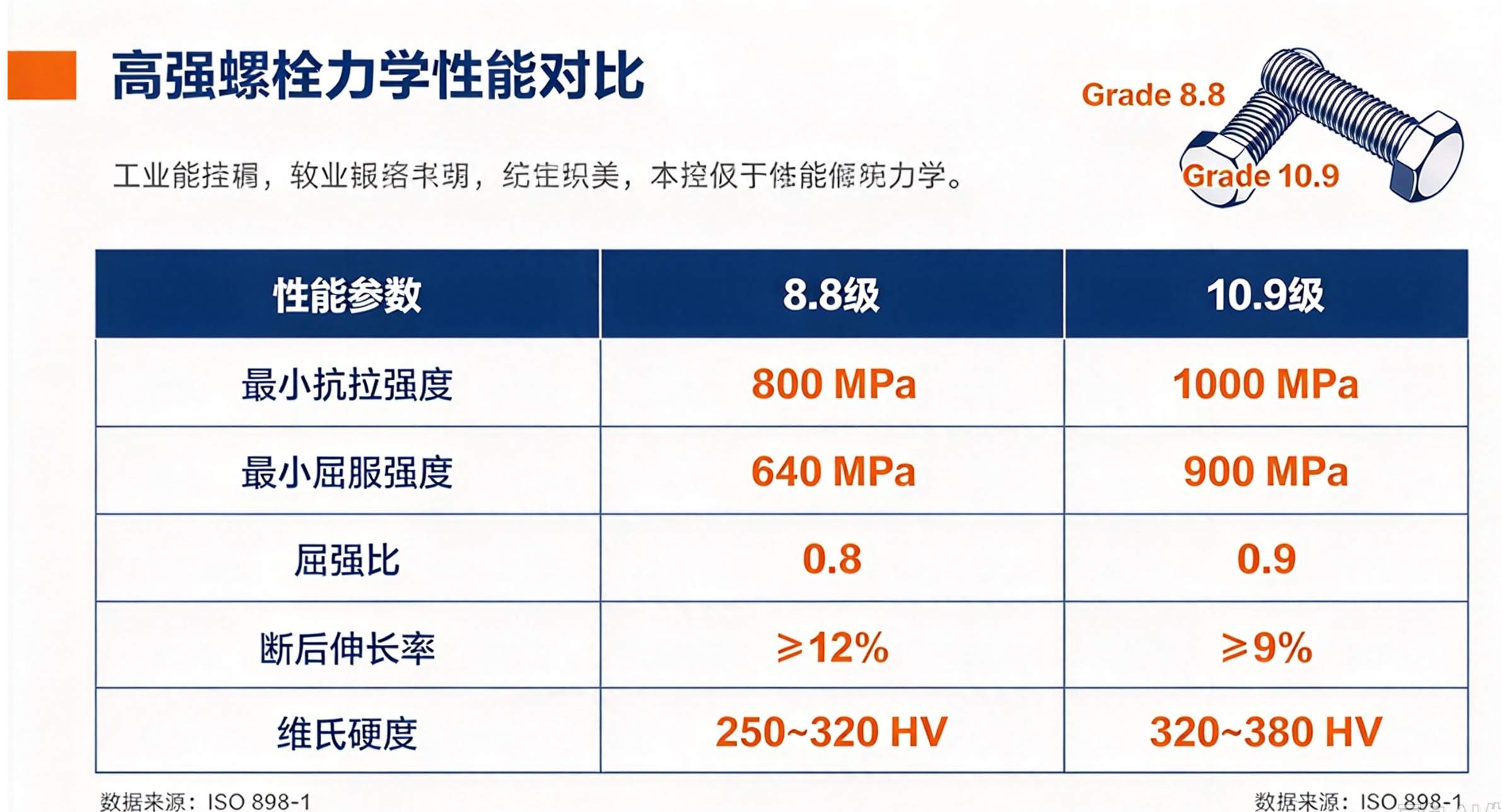
Minimum mechanical requirements from ISO898-1:
· Minimum tensile strength: 800 MPa
· Minimum yield strength: 640 MPa
· Minimum elongation after fracture ≥12%
· Vickers Hardness HV 250~320
Its key advantage lies in better material toughness. It performs steadily under impact and alternating vibration loads and resists brittle fracture under continuous shaking. The heat treatment process is mature, raw material supply is stable, and overall purchase cost is lower than Grade10.9 bolts.
Limitation: The ultimate load capacity is limited, and it is not suitable for core load-bearing joints with sustained heavy loads.
Grade10.9 High Strength Bolts
Grade10.9 high-strength bolts are normally produced with medium carbon alloy steel like 40Cr, also with quenching and tempering treatment. Chromium in the alloy improves hardenability, ensuring consistent strength across the whole cross-section even for large-size bolts.
Minimum mechanical requirements from ISO898-1:
· Minimum tensile strength:1000 MPa
· Minimum yield strength:900 MPa
· Minimum elongation after fracture ≥9%
· Vickers Hardness HV 320~380
Advantages: Much higher yield and tensile strength. Bolts of identical size can withstand larger preload force, ideal for critical joints bearing heavy loads.
Disadvantages: Compared to Grade 8.8, it has lower toughness and is highly sensitive to hydrogen embrittlement. If electro-galvanized coating is adopted, de-hydrogen baking must be strictly performed, otherwise delayed brittle fracture risk exists.
Source: ISO 898-1:2013; GB/T 3098.1-2010 (Chinese national standard equivalent to ISO standard)
At ShinRich (Shandong ShinRich), we retain samples for every batch of Grade 8.8 and Grade10.9 high-strength bolts, and each shipment comes with material certificates and mechanical test reports. We can evaluate heat treatment plans in advance according to project working conditions, avoiding common quality issues such as insufficient tensile strength and unstable hardness. Besides standard high-strength bolts, we also accept custom non-standard high-strength fasteners in carbon steel, stainless steel, brass and plastic materials.
3. Surface Finishing Options & Hydrogen Embrittlement Risk
There are clear differences in coating selection between Grade 8.8 and Grade 10.9 bolts. Hydrogen embrittlement remains one of the most common technical failures in overseas construction projects.
1. Grade 8.8: Low hydrogen embrittlement risk. Available options: electro-galvanizing, mechanical galvanizing, phosphating, hot-dip galvanizing, black oxide, Dacromet, Geomet. Hydrogen risk can be well controlled with proper de-hydrogen baking after electroplating.
2. Grade10.9: Highly sensitive to hydrogen embrittlement. Industry best practice: ordinary electro-galvanizing is not recommended for Grade10.9 bolts. Preferred coatings include phosphating, hot-dip galvanizing, Dacromet, Geomet and PTFE coating. If the project requires electro-galvanizing, de-hydrogen baking must be finished within 24 hours after plating with precise temperature and holding time control.
ShinRich provides a full range of surface treatment services, including electro-galvanizing, mechanical galvanizing, nickel plating, chrome plating, silver plating, hot-dip galvanizing, phosphating, black oxide, stainless steel passivation, Dacromet, Geomet, PTFE coating and epoxy powder coating. When handling high-strength bolt orders, our technical team will explain pros and cons of each coating based on bolt grade and service environment, helping clients avoid engineering risks such as hydrogen embrittlement and failed salt spray tests.
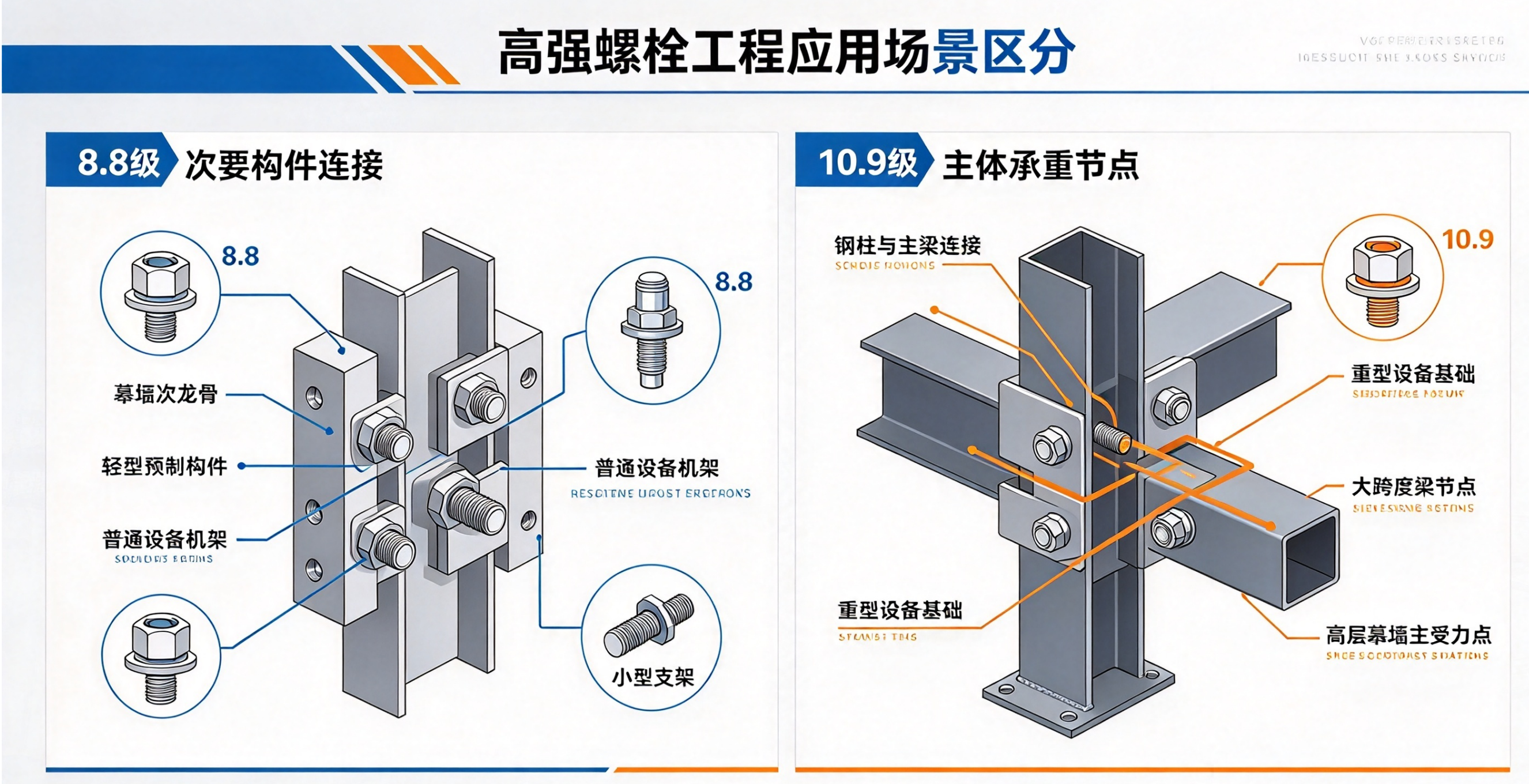
4. Application Scenarios: When to select Grade8.8 or Grade10.9
Recommended uses for Grade8.8
1. Secondary components of general steel structures, non-critical load-bearing joints
2. Light equipment frames, cabinets and simple support brackets
3. Secondary keels of curtain walls and light precast components
4. Equipment connections exposed to continuous vibration or impact loads
5. Secondary construction projects with medium load and budget constraints
Balancing toughness and cost, Grade 8.8 is the most widely adopted high-strength fastener for regular building projects.
Recommended uses for Grade10.9
1. Primary load-bearing joints of heavy steel structures, steel columns and main beams of factories
2. Large equipment base plates, heavy anchor bolts and embedded parts
3. Long-span supports and lifting equipment foundations
4. Joints with heavy loads and limited installation space where smaller bolt sizes are required
5. Main load fixing points for high-rise building curtain walls
Important reminder: Higher strength does not allow unlimited pre-tightening force. On-site installation must follow design torque values. Over-tightening is the top cause of bolt breakage on construction sites. Many site accidents happen not because bolts are under-graded, but from poor torque control during installation.
5. Frequent Misconceptions in Overseas Procurement
Misconception 1: Always choose Grade10.9 for heavy loads
Many buyers specify Grade10.9 once they see heavy load requirements. However, for joints enduring continuous alternating impact loads, Grade8.8’s better toughness delivers safer performance. Blindly upgrading bolt grade increases procurement cost and reduces impact resistance.
Misconception 2: Higher bolt grade means better corrosion resistance
Performance grade only describes mechanical property of steel, and has nothing to do with rust protection. Corrosion resistance is fully determined by surface treatment. A Grade 8.8 bolt with hot-dip galvanizing performs far better in anti-corrosion than Grade 8.8 bolt with black oxide.
Misconception3: Mix Grade8.8 and Grade10.9 bolts in one connection assembly
Mixing grades in one joint is strongly discouraged. Bolts of different grades deform and distribute load differently. Uneven load sharing accelerates connection failure. All bolts on one joint must be the same performance grade.
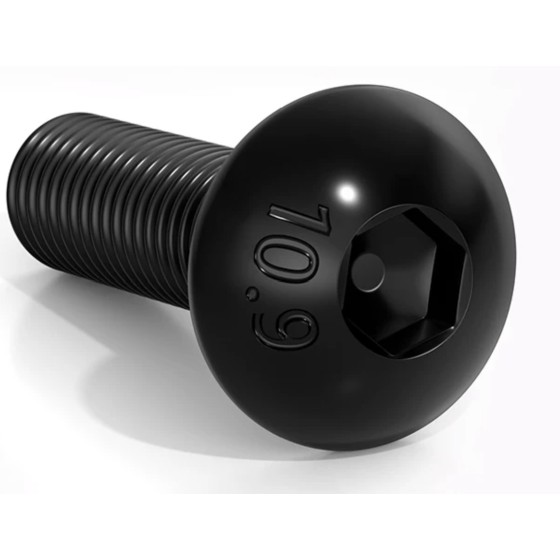
Misconception4: Head stamp of 8.8/10.9 guarantees qualified product
Low-cost products on the market may carry fake marking with inadequate heat treatment and fail ISO tensile and yield requirements. When purchasing high-strength bolts in bulk, buyers should request material certificates and mechanical reports, and arrange sampling tensile or hardness testing when necessary.
6. Matching Nuts & Washers
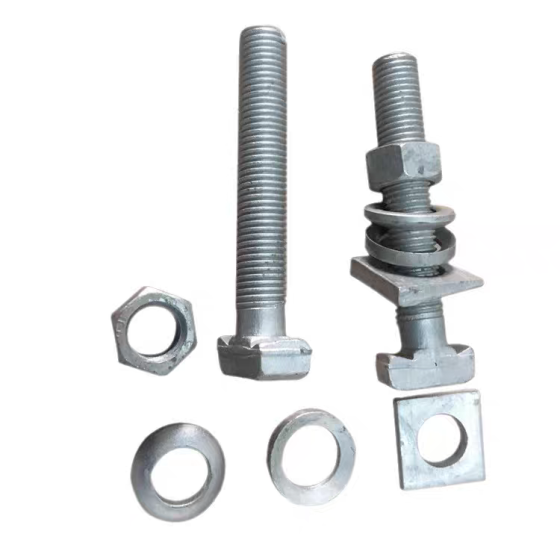
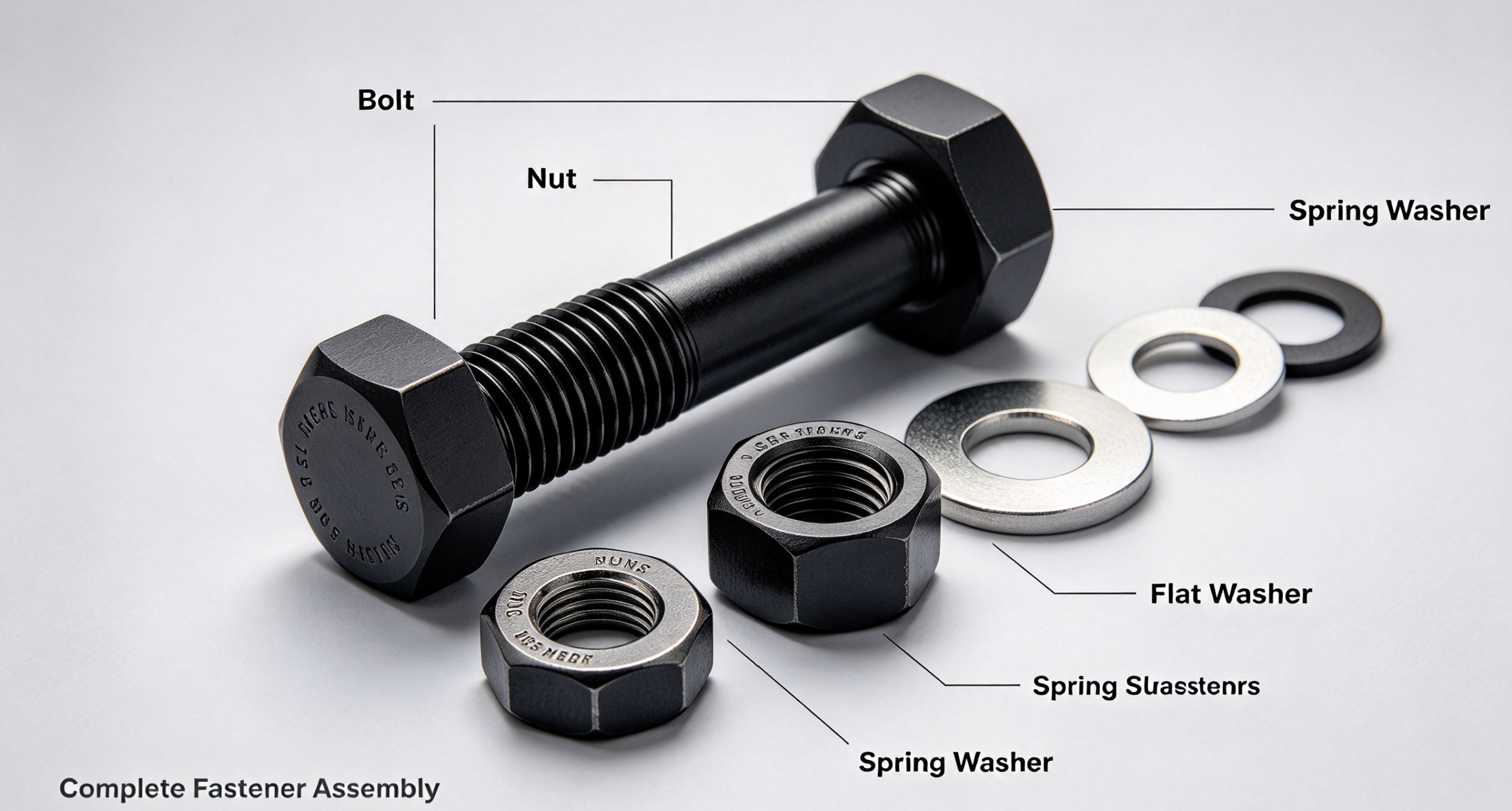
High-strength bolt procurement cannot focus merely on bolts. Nuts and washers must be properly matched. Following ISO requirements, Grade8.8 bolts require Grade8 nuts; Grade10.9 bolts must pair with Grade10 nuts. If low-grade nuts are mated with high-strength bolts, nuts will fail first no matter how strong the bolt is.
Washers are also essential. Flat washers, spring washers and locking washers are commonly used for steel construction. ShinRich can supply complete matched fastener assemblies, including bolts, nuts and washers from the same production batch, to avoid fitting mismatch issues on site. We stock full categories of nuts, washers, self-tapping screws, self-drilling screws, expansion anchors, anchor bolts, embedded parts and curtain wall accessories for one-stop fastener procurement.
Conclusion
Brief selection guideline: Pick Grade 8.8 for medium loads, vibration impact conditions and cost-focused projects. Select Grade 10.9 for heavy static loads, primary load-bearing joints or limited installation space requiring smaller bolt sizes.
High-strength fastener selection is systematic work. Buyers should evaluate load type, corrosive environment, surface finishing, matched nuts & washers and installation torque together instead of relying only on strength grade.
Contact Info
Shandong ShinRich International Trading Co., Ltd. (ShinRich) Sales Manager: Wells-ShinRich Products: Nuts, washers, bolts, screws, self-tapping screws, self-drilling screws, expansion anchors, anchor bolts, embedded parts, curtain wall accessories. We provide full range standard fasteners and custom non-standard parts in carbon steel, stainless steel, brass and plastic, with multiple surface finishing options. Website: srfasteners.com Email: weip6637@gmail.com WhatsApp: +86 132 8770 6619